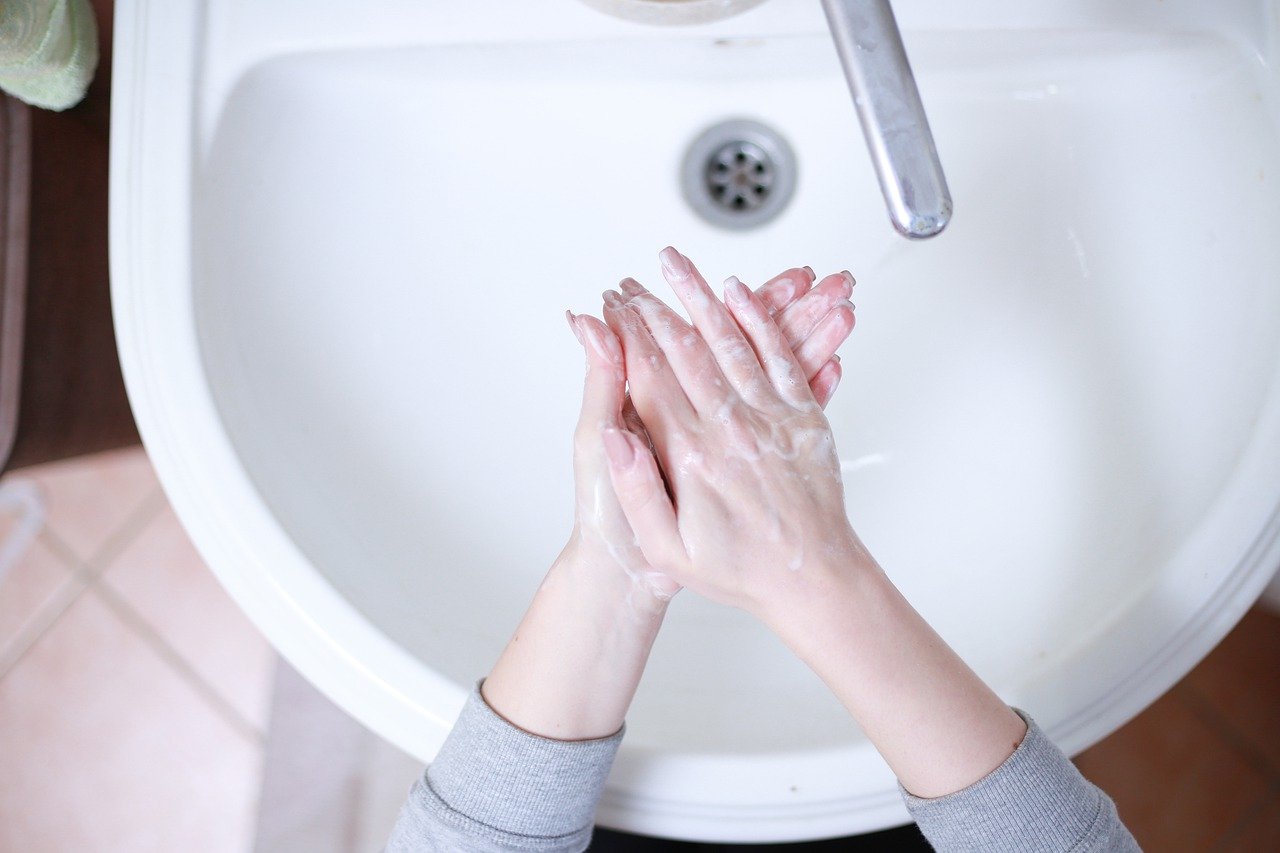
WHO Europe launches new guidance on hand washing

On 5 May 2021, the World Health Organization (WHO) European Region celebrated World Hand Hygiene Day with the launch of three improvement tools, which highlight the roles healthcare workers, infection prevention and control (IPC) experts, and hospital managers play in achieving effective hand hygiene.

These tools are designed to support the transforming of IPC guidance into action, with the aim of ensuring that local improvements associated with evidence-based IPC recommendations, including those for COVID-19, influenza and other infectious diseases, can reliably be put in place.

The tools cover three specific areas: 

  • respiratory and hand hygiene 
  • personal protective equipment (PPE) 
  • environmental cleaning, waste and linen management, and all elements of standard, droplet, contact and airborne precautions

Public Health Scotland launch Health Inequalities Learning Hub

Public Health Scotland’s Workforce Development Team have launched the Health Inequalities Learning Hub

The Hub is a free, flexible resource for anyone that would like to increase their knowledge of health inequalities in Scotland and understanding the link between discrimination, inequality, and health Inequalities.


Learners can access the learning hub here to access the resource on the Virtual Learning Environment.

Food Standards Scotland has updated its COVID-19 Guidance for Food Business Operators and their Employees

Food Standards Scotland have updated its guidance for food business operators (FBOs) and their employees on 26 April.

A summary of the changes in the update are as follows:

  • Enhanced focus on improved ventilation across all areas of the workforce.
  • Insertion of ventilation advice card.
  • Deletion of non-indoor entry restrictions for takeaway establishments in level 4 lockdown areas.
  • Reminder that within the hospitality sector everyone is to observe the requirement to remain at least 1 metre from the next person, unless from the same household or a carer.
  • Addition of the mandatory collection of customer/visitor contact details from each person (not just one household) in the hospitality sector.
  • Updated Equality and Human Rights Commission wording.
  • Insertion of Scottish Government guidance on physical distancing in non-domestic premises.

Food Standards Scotland’s New Five Year Strategy

Food Standards Scotland has published its strategic ambitions for the next five years. It will focus on the issues that matter most to people in Scotland, including renewed emphasis on improving the Scottish diet and associated negative health consequences.

‘Healthy, Safe, Sustainable: Driving Scotland's Food Future’ for 2021-2026 is the organisation’s second Strategy, and realigns the organisation’s efforts recognising the significant societal, political and environmental changes that have occurred since FSS was established in 2015.

It sets out how the independent public sector food body will help protect the diverse interests of people in Scotland. The organisation plans to continue to take a robust evidence-based approach in its activities as the trusted and influential source on food information and advice.

FSS will continue to work with others such as the food and drink and hospitality sectors,  government and other key partners in order to deliver on its commitments.


Scottish Government release ventilation advice cards

The Scottish Government have released advice cards highlighting key ventilation practice within the workplace. Keeping the workplace well ventilated is vital to help reduce the spread of COVID-19 and keep employees, customers and local communities safe. The advice card and key guidance can be found here: Ventilation Advice for Everyone at Work.

With workplaces and services resuming, employers are being asked to ensure this information is well highlighted throughout their work environment. Informing employees of this information is key to ensuring the workplace is a safe place to be. Additional resources can be found here: Reopening Businesses Safely Toolkit.   

In addition there is a new Advice Card on key ventilation practices in domestic settings:  Advice Card – Ventilation advice for Everyone.


Changes to the Governance of the Occupational Safety and Health Consultants Register (OSHCR)

OSHCR is the only HSE-backed source of assured, independent, consultancy OSH advice and there are some changes to the way it is managed.

The Institution of Occupational Safety and Health (IOSH) has taken over management of the register. This is in many respects a logical step given that a large proportion of those on the register are IOSH members.

IOSH will be investing in raising the profile of OSHCR, helping to ensure that it is known for providing access to a valuable source of credible, independent OSH professionals.

We will shortly write to all Chartered members of the Institute who are already on the OSHCR to explain the changes in more detail.
To move both the standard and reputation of OSH professionals forward in the UK we need a collaborative approach which retains the support of key stakeholders such as the HSE and other like-minded organisations.

The Institute, along with others, will continue to provide oversight and advice via the reformed Advisory Committee. This is a hugely positive step for not only the OSH profession, but also OSHCR and our own organisation. Membership of the OSHCR Advisory Committee gives us a space at the table with similar organisations as well as the HSE. As opportunities to influence the OSH profession go, I’m sure you’ll agree, we have a great foundation to do so.

A two-year consultation has revealed that UK based SMEs are still in need of OSHCR and that the brand reputation is still strong. As part of the new OSHCR Advisory Committee we will be helping to shape the proposition. This is a real tangible opportunity to position our members who trade as OSH consultants, or who are thinking of doing so, onto a register that is gathering lots of positive momentum.

For further details of the register please go to https://www.oshcr.org/

Western Isles’ mild oceanic climate may help ticks thrive

The Western Isles’ mild oceanic climate could be helping a pest to survive in places where it was not previously thought to thrive

Ticks can often be encountered in woodland, but new research has found high numbers in some treeless island habitats.

Lyme disease can be spread to humans from the bite of infected ticks.

Researchers found some isles had an incidence of the disease 40 times higher than the Scottish average.

The Western Isles has been trying to tackle the risk posed by infected ticks for a number of years.

Parts of Uist have seen the biggest problems, with roaming deer blamed for spreading ticks.

The new study involved researchers from the universities of Liverpool and Glasgow working with NHS Western Isles and public body NatureScot.

On islands with a high incidence of Lyme disease, the researchers found open habitats, including grassland and domestic gardens, had similar tick density and prevalence of infected ticks as forested mainland sites in Scotland.

Dr Roman Biek, of the University of Glasgow, said: “This is a striking finding and suggests that microclimatic conditions in these open habitats, possibly driven by the milder oceanic climate on the Western Isles, can be as conducive to tick survival as conditions in woodlands.”

“Our study highlights the potential for Lyme disease to emerge in habitats with a suitable climate other than forests so we should be looking at non-forested habitats more broadly both in the UK and globally.”

Dr Caroline Millins, of the University of Liverpool, said there was still much to be understood about why some parts of the Western Isles were worst affected than others.

She said: “Superficially, the habitats and the climate of these islands look very similar, yet the incidence of Lyme disease on some islands is 40 times higher than the national average for Scotland, while other nearby islands are relatively less affected.

“This is really intriguing from an ecological and public health perspective so we wanted to try and understand what could be causing this difference.”
Isabell MacInnes, public health nurse Specialist with NHS Western Isles, said: “We are aware of the increasing numbers of cases of Lyme disease being reported in people living in the Western Isles, and we welcome the evidence provided through this research, which we will use to guide future Public Health actions.”

NatureScot said it would use the research to help deer management in Uist.

About 200 people a year in Scotland are recorded with Lyme disease disease but the true number is thought to be much higher.

The disease is a bacterial infection spread by a bite from an infected tick.

Flu-like symptoms and fatigue are often the first noticeable signs of infection. An untreated bite often shows as a distinctive red circle-like mark on a person’s skin.

Diagnosed cases of Lyme disease can be treated with antibiotics, but, if left untreated, neurological problems and joint pain can develop months or years later.

Ticks are small arthropods related to spiders, mites and scorpions. Britain has a number of different species.
Close contact services sector coronavirus guidance published

The Scottish Government has published Coronavirus (COVID-19): close contact services which is for people who provide close contact services such as hairdressers, barbers and beauticians on working safely during coronavirus. This has previously been held within the Retail Sector guidance but has now been separated to have its own guidance.

The guidance has a downloadable checklist and now includes a section services offered in high risk zones and also mobile contact services.

Returning to work safely as COVID restrictions are eased

As restriction ease Environmental Health departments will be ensuring businesses across all sectors are adhering to current Coronavirus Regulations and Guidance. Officers will continue to follow 'the 4 Es' approch: Engage. Explain. Encourage. Enforce. 

As places reopens, businesses should ensure their workplace is safe by following the appropriate government sector advice here.

In general, the following workplace controls remain unchanged:

·       social distancing

·       adequate ventilation

·       enhanced cleaning

·       hand hygiene

COVID risk assessment 

Every workplace should have a COVID risk assessment and you should update it to reflect any changes in legislation or guidance that may impact your work activity, for example changes in local or national restrictions.

Social Distancing 

Social distancing means keeping people apart to help reduce the spread of coronavirus (COVID-19). Where possible, you should keep people 2 m apart. If this is not possible, additional control measures should be considered and documented in the risk assessment. 

Ventilation

The provision of fresh air into indoor environments is essential to reducing the risk of the spread of COVID-19. The Scottish Government has developed ventilation guidance to support the mixing of individuals safely in indoor domestic and commercial properties where this is necessary. The HSE have also produced Ventilation and air conditioning during the coronavirus (COVID-19) pandemic guidance. 

Enhanced Cleaning

Health Protection Scotland have produced COVID-19 – guidance for non-healthcare settings guidance which is to support those working in non-healthcare settings give advice to their staff and users of their services about COVID-19.

Face- Coverings 

Coronavirus legislation in Scotland requires that face coverings be worn in any indoor communal area in a workplace Coronavirus (COVID-19): face coverings guidance.

Legionella

If the building has been closed or had reduced occupancy during the coronavirus (COVID-19) pandemic, water system stagnation can occur due to lack of use, increasing the risks of Legionnaires’ disease. See HSE guidance on legionella risks during the coronavirus pandemic.

Examining and testing equipment

Equipment stored or unused for long periods of time should be checked for damage or deterioration. The HSE have updated advice on thorough examination and testing of equipment as restrictions are eased.

Clean Air Day 2021 Resources Available

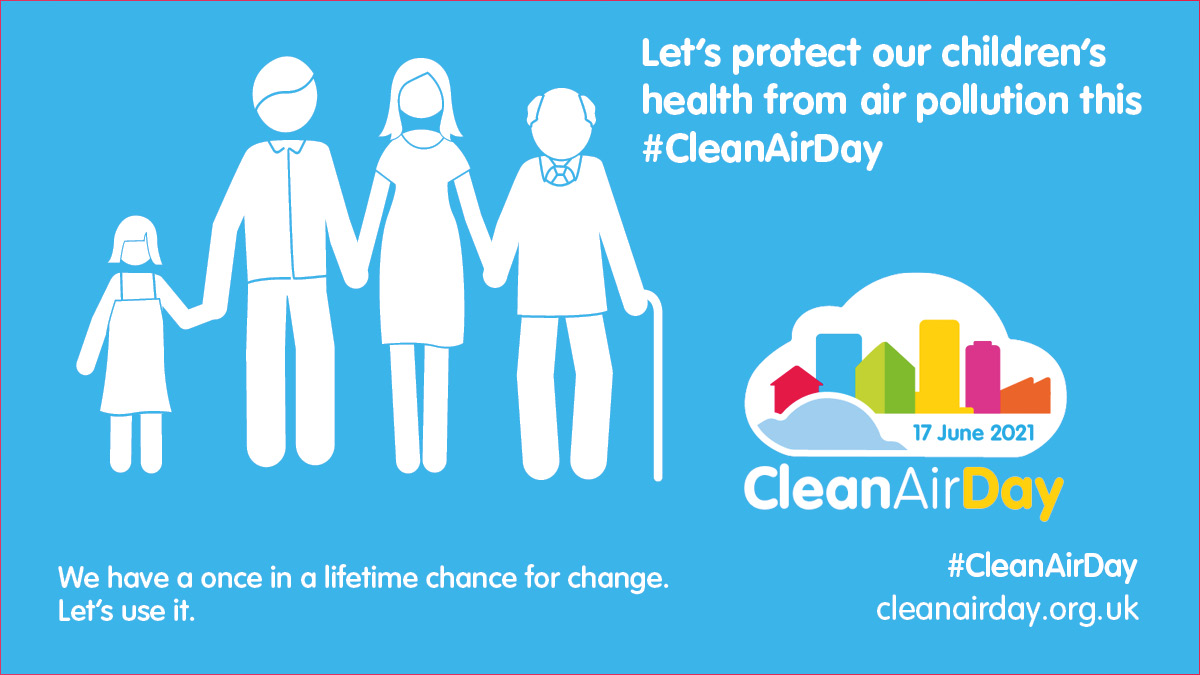
This year’s Clean Air Day online resources for Clean Air Day 2021 have gone live ahead of the June 17 campaign. The 2021 packs enable all audiences across the UK from individuals, schools, businesses, health organisations, community groups and local authorities to demonstrate support for action on air pollution and have their say about building a healthy future for our children.

The resources support ‘do and say’ actions in line with the Clean Air Day theme which this year is ‘Protect our children’s health from air pollution’. Actions include grassroots behaviour asks such as moving to pollution-free vehicles, to support council’s action. (Note: The Scottish resources are in the process of being finalised)

Check out the Clean Air Day website here

Retail sector coronavirus guidance updated

Guidance for the retail sector, including procedures for staff and customer safety and an operations checklist has been updated. The update also has moved Close contact services which was once contained in this guidance to separate guide.

The guidance has been designed to be applied to cover the spectrum of different retailers in Scotland from department stores to independent traders, with additional guidance for food retailers on the Food Standards Scotland Website. 

The key mitigations are as follows:

  • Ventilation
  • Face coverings
  • Physical distancing
  • Capacity
  • Hand hygiene
  • Cleaning
  • Personal Protective Equipment (PPE)
  • Test and Protect- only required for betting shops due to dwelling times associated the shop 

Tourism and hospitality coronavirus sector guidance updated

The Scottish Government have updated the Coronavirus (COVID-19): tourism and hospitality sector guidance on the 20 April to reflect changes in the guidance. 

Some of the main points are as follows:

  • Collection of Customer/Visitor Details – Businesses are required to record every customer/visitor contact details to support Test and Protect – Customer detail collection guidance has been updated, in addition, the check-in Scotland app will help manage this requirement.
  • Physical distancing – Everyone visiting a hospitality setting must remain at least 1 metre apart from the next person, unless from the same household or a carer. On playing areas in bingo halls and casinos 2 metres must be observed.
  • Capacity management – Businesses are reminded that capacity should be determined by the need for physical distancing and numbers must not exceed safe limits.  A maximum limit for the premises must be calculated on the basis of physical distancing constraints and should be displayed clearly at or near the entrance.  Further guidance have been published, currently in draft, to help with this process.
  • One metre zone signage for hospitality settings – It is essential that clear signage is displayed at entry points and throughout the premises to inform customers that they are within a 1 metre physical distancing zone and, most importantly, that everyone is reminded to observe the requirement to remain at least 1 metre from the next person, unless from the same household or a carer. 
  • Cleaning and hygiene arrangements – There should be robust cleaning regimes in place around all shared and hard surface contact areas, including toilets, door handles, tables and chairs and service items. Equally, provision of adequate facilities for regular handwashing or sanitising is a simple and effective measure to reduce the risk of transmission and should be a routine practice in premises, for staff and customers. 
  • Management of toilet facilities – Management of toilet facilities presents an added challenge and is an area of increased risk, particularly in contained and narrow spaces where physical distancing is difficult.  Existing guidance on the safe use of toilet facilities will help with this.
  • Socialising rules – Socialising rules for indoors and outdoors apply to all sectors and are critically important. Businesses must ensure staff are aware of the limits when taking bookings and that they are ready to challenge any attempt to make bookings for numbers that clearly exceed the limits. Staff should ask whether limits on mixing of households is being observed when taking enquiries and either reject a booking request which would exceed the limits or offer an alternative for a booking within the limits.    
  • Improved ventilation – Adequate and good quality ventilation should be standard in indoor commercial spaces – businesses should consider current arrangements and whether additional measures are required to make improvements. HSE guidance on this issue may be helpful.
  • Table service – Table service is mandatory in hospitality. Systems should be in place to ensure this requirement is met in line with physical distancing and hygiene protocols.
  • Low level music is now permitted so long as you do not have to raise your voice
  • Alcohol can be served on its own