Friday 26 March marks 15 years since smoke-free legislation was introduced to Scotland.
Together with Stirling University, ASH Scotland reflects on this milestone, available here.
Improving and protecting health and wellbeing in Scotland through education, training and qualifications in Environmental Health

Friday 26 March marks 15 years since smoke-free legislation was introduced to Scotland.
Together with Stirling University, ASH Scotland reflects on this milestone, available here.
A study conducted by scientists from Imperial College London and published in the BMJ has found that deaths from serious allergic reactions (“anaphylaxis”) due to food have declined over the past 20 years. This is despite an increase in hospital admissions for food-induced anaphylaxis over the same time.
The study, funded by the Food Standards Agency and Medical Research Council, analysed 101,891 UK hospital admissions for anaphylaxis between 1998-2018, and found that 30.1% were food- induced.
During the study period from 1998 to 2018, hospital admissions for food-induced anaphylaxis increased by 5.7% per year, or three-fold (from 1.23 to 4.04 admissions per 100,000 population per year). The greatest increase was in children under 15: from 2.1 to 9.2 per 100 000 population per year.
Over the same time, the case fatality rate (number of fatalities compared to hospital admissions) for food-anaphylaxis more than halved, from 0.7% in 1998 to 0.3% in 2018. This may be due to better awareness of food allergy, and how to quickly recognise and treat serious allergic reactions.
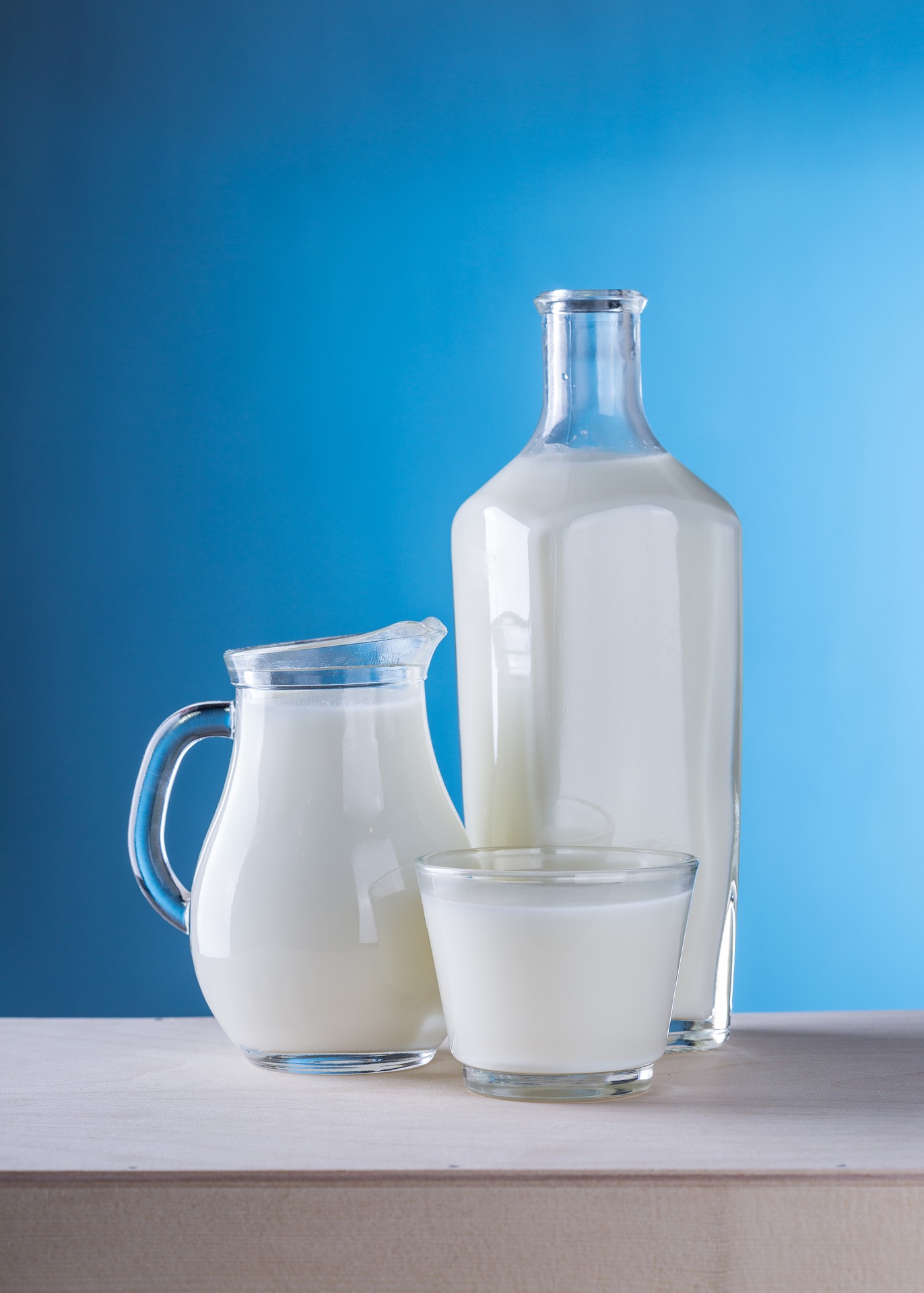
Researchers also found that cows’ milk is the commonest single cause of fatal food-induced allergic reactions in school-aged children, accounting for 26% of deaths in children under 16. For adults, nuts were the most common identifiable trigger (23% of deaths). The research team add that cow’s milk is quite protein-rich, meaning a small amount of cow’s milk can result in a significant exposure.
The team at Imperial are now investigating why some people may be more susceptible to severe allergic reactions, and whether factors such as genetics may play a role.
Deaths from food-induced anaphylaxis are rare. The study also assessed food-related anaphylaxis fatalities, recorded since 1992, when data first became available. There had been 187 fatalities since 1992 where the cause of death was likely to be food-induced anaphylaxis.
The First Minister has set out a timetable for the re-opening of parts of society over the next two months.
Stay at Home regulations will be lifted on 2 April and replaced with guidance to Stay Local, with more services including hairdressers, garden centres and non-essential click and collect services able to open from 5 April.
More college students will also return to on-campus learning and outdoor contact sports will resume for 12-17 year olds on 5 April if progress on vaccination and suppression of Coronavirus (COVID-19) continues.
The Scottish Government then hopes to lift all restrictions on journeys in mainland Scotland on 26 April. Discussions will be held with island communities already in lower levels on the possibility of having a faster return to more socialising and hospitality with restrictions on mainland travel to protect against importation of the virus.
Vaccination of all nine JCVI priority groups – more than half of the population, accounting for 99% of COVID-related fatalities – is expected to be completed by mid-April, supplies allowing. The dates outlined are enabled by strong new evidence that suggests vaccines reduce the chances of transmitting the virus as well as reducing serious illness and death, even after a first dose.
Further expected easing on 26 April includes:
On 17 May, it is hoped that groups of four people from two households would be able to socialise indoors in a private home, and that cinemas, amusement arcades and small scale outdoor and indoor events could restart with limits on capacity. Further easing on this date would include outdoor contact sport for adults and indoor group exercise
The First Minister also indicated that in early June it is hoped that Scotland could move to Level 1 and by end of June to level 0.

The Scottish Government have published its Housing to 2040 strategy, which sets out the government’s vision for housing over the next 20 years.
Housing to 2040 is split into four sections and the key priorities in the strategy include:
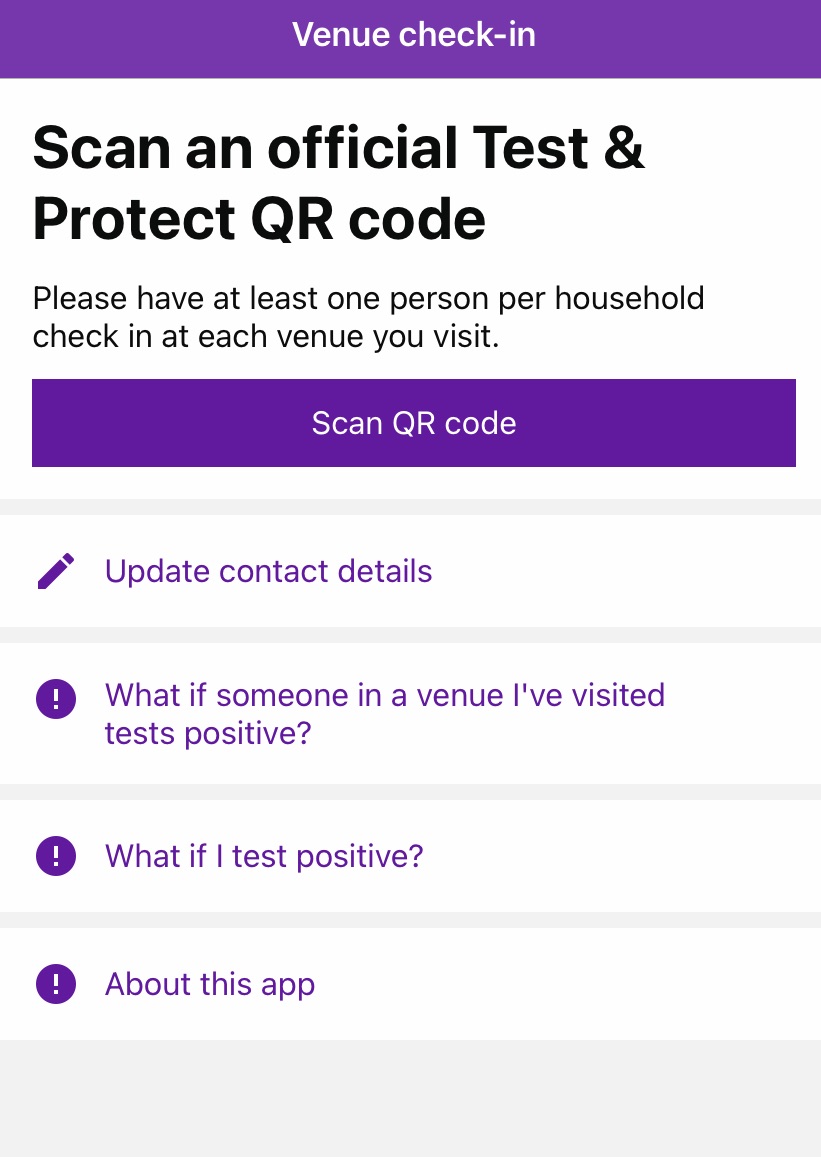
Check In Scotland is a way to collect the contact details of people who visit hospitality businesses, such as pub, bars, restaurants and cafes, that's designed to work with NHS Scotland's Test and Protect.
To help reduce the risk of transmission and support the Test and Protect contact tracing service, the Scottish Government has made it mandatory for hospitality venues to collect and manage customer contact details.
In order to make it simple and secure for businesses and customers, the Scottish Government have created this voluntary free of charge service.
The service works by hospitality businesses displaying a Check In Scotland QR code poster at their venue, and asking anyone who visits to scan this QR code when they arrive.
When a visitor first scans your venue's unique QR code, it will launch the Check In Scotland app or an online form on their phone. The visitor needs to enter their contact details, including their name and contact number, and click 'check in' to confirm they're at your venue. This will record the date and time they arrived.
When they leave, they should check out. If they still have the online form open on their phone, they just need to press 'check out'. If they don't have the online form open, they can check out by rescanning your venue's QR code.
If the visitor does not have a mobile phone, or cannot use the Check In Scotland service, businesses should take their details in another way, such as by pen and paper.
Businesses who already have a way of taking the details of people who visit their venue, such as your own QR code method, can carry on using this method instead of switching to a Check In Scotland QR code poster. But, as Check In Scotland is designed to work with Scotland's Test and Protect system, businesses are encouraged to switch.

Compulsory housing measures for poultry and captive birds are set to be lifted at the end of this month, the Chief Veterinary Officers from Scotland, England and Wales announced.
The housing measures, which were introduced across Great Britain in December as one of a range of measures to stop the spread of avian influenza, have been a vital tool in protecting flocks across the country from the disease which is circulating in wild birds.
The Scottish Government, Defra and Welsh Government have been working closely with industry and bird keepers to ensure that there are strict biosecurity measures in and around poultry premises to help keep flocks safe.
Measures put in place have been successful in helping to contain the disease and, provided that there are no new significant cases between now and the end of March, the current measures are due to be relaxed. The last confirmed case in poultry in Great Britain was over a month ago on 12 February in Scotland.
While the risk of bird flu has been reduced to ‘medium’, the risk of outbreaks is likely to persist for several weeks. As a result, enhanced biosecurity requirements that were brought in as part of the Avian Influenza Protection Zone (AIPZ) on 11 November will remain in place. Good biosecurity is the most effective measure of disease control available.
While it is essential to ensure effective biosecurity when there is an increased risk of bird flu, it is advised that poultry keepers apply enhanced biosecurity measures at all times to prevent and mitigate future outbreaks.
Bird keepers are advised to use the next two weeks to prepare the ranges and outdoor areas for release of the birds. This will include cleansing and disinfection of hard surfaces, fencing off ponds or standing water and reintroduction of wild bird deterrents.
In addition, when the birds are allowed out at the end of March all poultry and captive bird keepers will need to keep taking extra precautions, such as cleaning and disinfecting equipment, clothing and vehicles, limiting access to non-essential people on their sites, and workers changing clothing and footwear before entering bird enclosures.
Public health advice is that the risk to human health from the H5N8 virus strain is low and from the H5N2, H5N5 and H5N1 virus strains is very low. Food standards bodies advise that avian influenza poses a very low food safety risk for UK consumers, and it does not affect the consumption of poultry products including eggs.
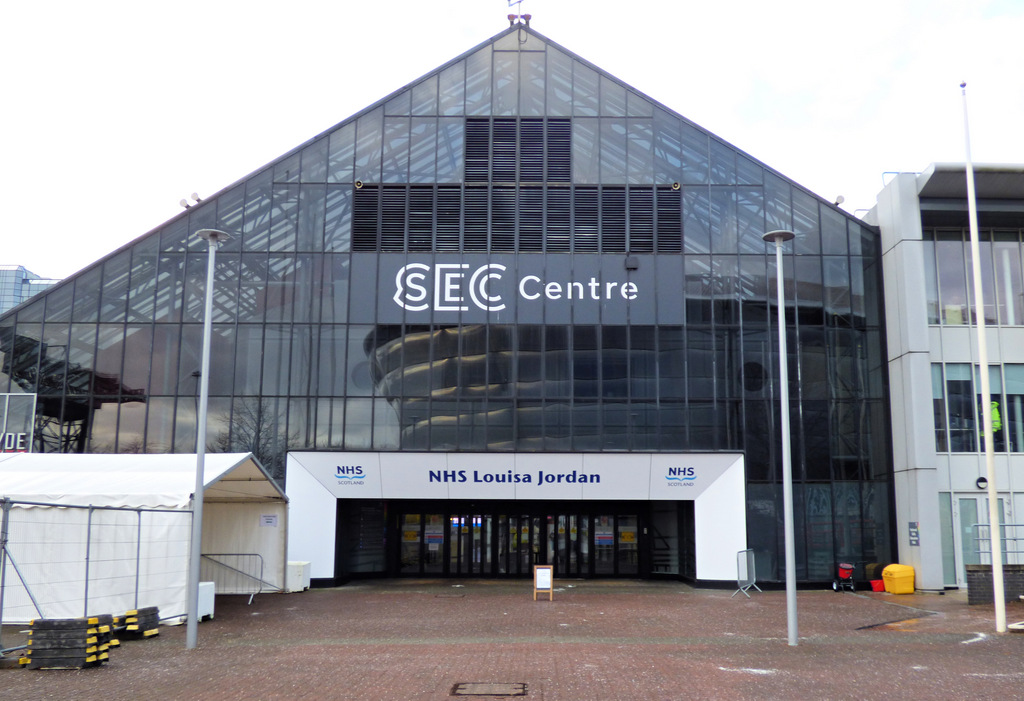
The hospital set up to support Scotland’s response to the coronavirus (COVID-19) pandemic is to close on 31 March, with the mass vaccination centre relocating to The SSE Hydro.
Thanks to the public’s continued efforts to reduce the spread of the virus, the NHS Louisa Jordan was not required to treat COVID-19 patients. Since July 2020 the hospital has played a crucial role in supporting the remobilisation of NHS Scotland.
With NHS services remobilising across the country, NHS staff at the Louisa Jordan will return to their own health boards or support the vaccination programme at The SSE Hydro. The Scottish Events Campus will be returned to a working events and conference centre, including preparing to host COP26.
By 31 March staff at the hospital will have carried out more than 32,000 outpatient and diagnostic appointments, trained over 6,900 healthcare staff and students, and vaccinated approximately 175,000 people across the Greater Glasgow and Clyde area. The site has also supported the Scottish Blood Transfusion Service, with over 500 donations being carried out, as well as providing Occupational Health services for the University of Glasgow for nearly 1,000 people.
Once relocated to The SSE Hydro, the centre will continue to run daily clinics with the ability to administer a minimum of 4,000 vaccinations each day, with capacity to scale up to 10,000.
Funding of £4.5 million has been awarded to Aberdeen City Council for the introduction of 10 new hydrogen buses, taking the city’s hydrogen-powered bus fleet total to 25.
The money comes from the £62 million Energy Transition Fund which was set up to help ensure a green recovery from the coronavirus (COVID-19) pandemic and support the energy sector’s transition to a net-zero economy.
With a focus on the North East, the fund underpins the region’s ambitions to become a world leader in the transition to net zero, creating green jobs and growing the local economy.
Commenting on the planned deployments, Scotland’s Energy Minister, Paul Wheelhouse, said, “The Scottish Government is wholly committed to ending Scotland’s contribution to climate change, and doing so in a way that ensures no-one is left behind as our economy undergoes the transformation required to reach net zero.”
“It is vital we seize the opportunity to take forward a green, low-carbon recovery and support our energy workforce as the sector diversifies. Now is the time to re-imagine the Scotland around us and to ensure we build a greener, fairer and more equal society and economy.”
Aberdeen City Council Co-Lead Councillor, Jenny Laing, added, “We are delighted to have been awarded £4.5 million from the Energy Transition Fund as the investment will contribute to the funding of 10 additional hydrogen double decker buses.”
“These vehicles will increase the world’s first hydrogen double decker bus fleet in Aberdeen to 25 and complement one of the largest and most varied fleets of hydrogen vehicles across Europe which includes cars, vans, road sweepers and waste trucks.
Food production and processing businesses are being urged to sign up for routine staff testing to help identify cases of coronavirus (COVID-19), keep workforces safe and break chains of transmission.
Free lateral flow antigen test kits are available to eligible businesses which are essential to maintaining an adequate supply of food for the nation, and where outbreak risks can be higher due to the working environment such as abattoirs, meat and seafood processing facilities and dairies, as well as food distribution businesses.
A number of businesses have already signed up as early adopters, including critical businesses such as the Coupar Angus poultry plant and a number of seafood processors in Grampian – some of which have been affected by COVID outbreaks.
The Scottish Government would like to hear from larger (over 25 employees) higher risk food processing businesses such as abattoirs, meat and seafood processing and dairies where, despite mitigations already in place, a combination of low temperatures, limited ventilation, low light, high humidity can facilitate spread of the virus and lead to outbreaks.
We would also like to hear from food distribution businesses where the loss of a facility due to an outbreak could lead to impacts on food supply by reducing supplies to retail or hindering exports. The Scottish Government and Food Standards Scotland will determine whether a business falls within the criteria.
This programme is run in partnership with UK Department for Health and Social Care (DHSC) and NHS Scotland Test and Protect.
Full and detailed guidance will be available to help businesses.
If your business would be interested in taking part, please email FoodSupplyInformation@gov.scot with the following information:
The Environmental Health Manifesto for Scotland explains what Environmental Health is, its importance to the continued protection of Scotland’s public health both now and in the future and describes how Environmental Health Officers (EHOs) and the wider environmental health workforce can help policy makers achieve their objectives. It also sets out four challenges facing the profession and the wider Scottish public.
2021 is a momentous year for environmental health in Scotland. We are dealing with the Coronavirus pandemic and planning the country’s recovery as well as dealing with the consequences of the EU exit. The United Nations Climate Summit (COP26) is due to take place in Glasgow and will shine light on our commitment to sustainability. Against this background, the pre-existing pressures on environmental health in the places we live, work and travel have not gone away.
The Royal Environmental Health Institute of Scotland firmly believes that there are four key challenges to protect and improve Scotland’s environmental health and to support our communities through, and beyond, the Coronavirus pandemic.
We address these challenges to politicians of all parties. The Institute is ready to work with all stakeholders to face the challenges and to improve, and protect, public health in Scotland.
You can read the manifesto here.
Since REHIS introduced temporary regulations last March allowing courses to be delivered virtually many REHIS Approved Training Centres have risen to the challenge and offered virtual training via platforms such as Zoom and MS Teams. Many course presenters have done a fantastic job of adapting their training methods and course materials and made the transition to remote learning for many REHIS courses.
Delivering courses virtually is certainly not without its challenges, even more so for a practical course such as Elementary Cooking Skills. As well as the technical details, there are some additional factors to consider for a virtual cooking session, such as participant access to equipment, facilities and ingredients and how best demonstrate and assess preparation and cooking skills and techniques.
Yet, despite all these challenges, REHIS is delighted to see that some of our Cooking Skills presenters have been able to run virtual cooking sessions so that participants are able to learn valuable cooking skills through making a variety of dishes in their own homes. These have proved to be a success – participants are still able to interact and chat with other group members as well as tasting and evaluating their finished dishes. Our Cooking Skills course presenters have shown that with careful planning and lots of enthusiasm it is possible to adapt and deliver quality practical training remotely.
Food Standards Scotland have updated its guidance for food business operators (FBOs) and their employees on 15 March.
A summary of the changes in the update are as follows:
